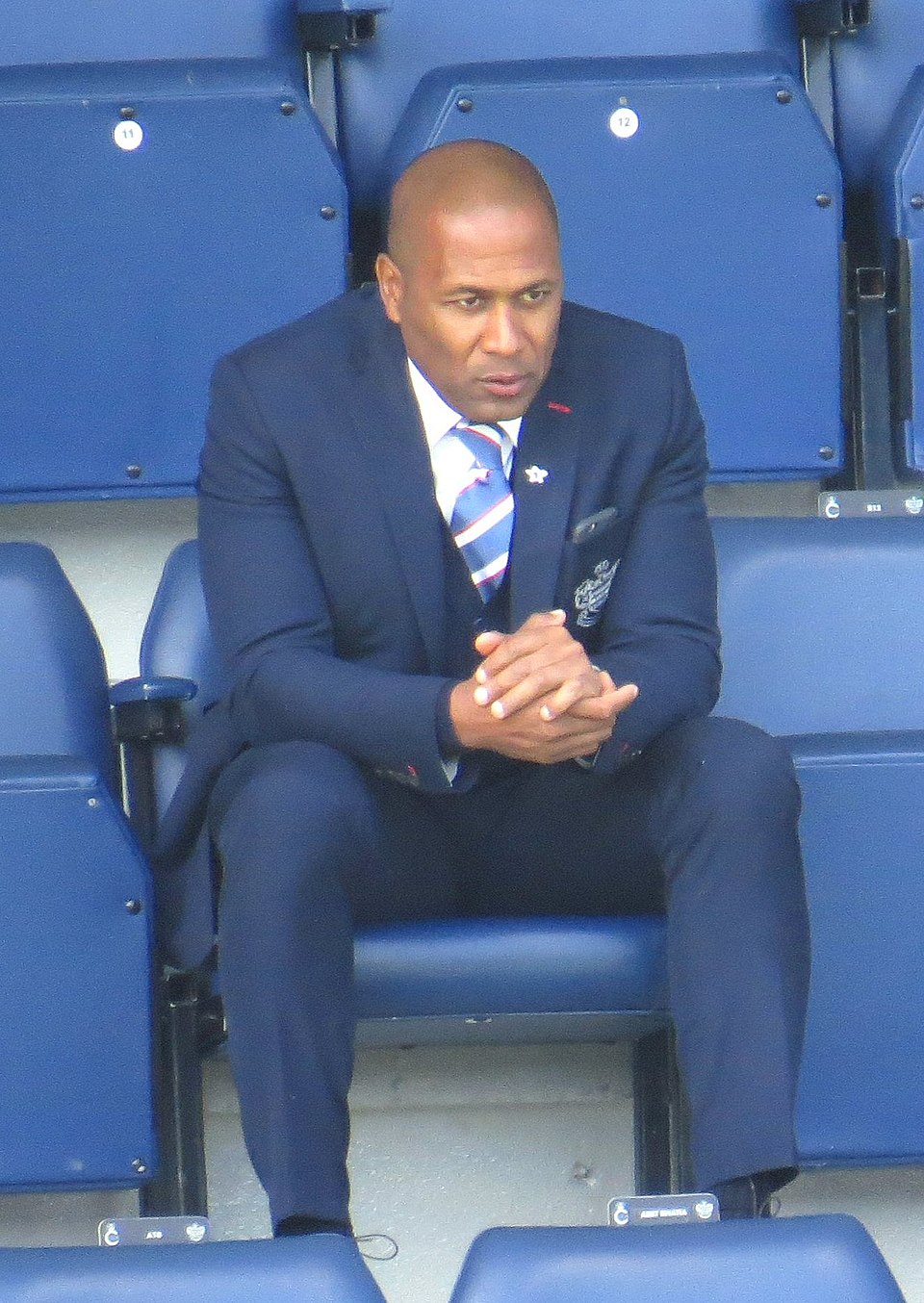
How Les Ferdinand Built His $12M Fortune: Football, Coaching & Ventures
Les Ferdinand, a name synonymous with power, prowess, and prolific goal-scoring in 1990s English football, has crafted an impressive legacy that extends far beyond the pitch. His journey from the bustling streets of Paddington to becoming a revered figure in the sport is a testament to raw talent, relentless dedication, and shrewd career management. Today, discussions around Les Ferdinand net worth reveal a remarkable financial success story, estimated to be around $12 million currently, with projections for it to reach $15 million by 2025. This substantial fortune is a culmination of a stellar playing career, strategic post-retirement roles, and astute business ventures.
This article delves into the various facets that have contributed to Ferdinand's wealth, offering insights into how a celebrated footballer can transition into a financially stable and influential figure long after hanging up his boots.
From Paddington Pitches to Professional Prowess: Les Ferdinand's Early Career
Born on December 8, 1966, in London’s vibrant Paddington district, Les Ferdinand's passion for football was ignited at a young age. Growing up in a football-loving environment, he quickly gravitated towards the sport, honing his skills on local pitches. His early talent was undeniable, characterized by an inherent strength, exceptional aerial ability, and a natural instinct for goal. These formative years were crucial, providing the bedrock for the formidable striker he would become.
Ferdinand's path into professional football wasn't an overnight sensation. He started his journey in non-league football with Southall and later Hayes. It was at Hayes where his raw potential truly began to shine, drawing the attention of professional scouts. His performances didn't just showcase physical attributes; they demonstrated a maturity and an understanding of the game that set him apart from his peers.
His professional breakthrough arrived in 1987 when he joined Queens Park Rangers (QPR). Over an eight-year tenure, Ferdinand became an iconic figure at Loftus Road, etching his name into the club’s history books with 80 goals in 163 appearances. These early years at QPR were pivotal, establishing him as one of the most lethal forwards in English football. During his time with QPR, loan spells to Brentford in 1988 and later to Beşiktaş in Turkey offered him invaluable experience, allowing him to further refine his finishing skills and gain exposure to different footballing cultures. This international experience, often overlooked, was instrumental in broadening his horizons and sharpening his competitive edge, contributing significantly to his burgeoning reputation and future earnings.
Ascending to Stardom: Premier League Glory and Peak Earnings
The mid-1990s marked a significant chapter in Les Ferdinand's career, propelling him from a respected striker to a Premier League superstar. In 1995, he made a high-profile move to Newcastle United, where he became an integral part of Kevin Keegan's exhilarating "Entertainers" side. Nicknamed "Sir Les" by the Toon Army, his powerful presence, blistering pace, and clinical finishing made him a fan favourite and a nightmare for opposing defenders. His time at St. James' Park was incredibly productive, featuring a remarkable goal tally that solidified his reputation as one of England’s most potent attackers.
This period represented the zenith of Ferdinand's playing career earnings. His substantial salaries, performance bonuses, and goal incentives from top clubs like Newcastle and later Tottenham Hotspur formed the largest chunk of his initial Les Ferdinand net worth. His move to Tottenham Hotspur continued his legacy of goal-scoring excellence, and it was during this era that he earned the prestigious Premier League Golden Boot – a testament to his consistent ability to find the back of the net. Beyond club football, Ferdinand also earned numerous caps for the England national team, further enhancing his profile and marketability.
The financial landscape for top-tier footballers in the Premier League era was rapidly evolving, and Ferdinand was at the forefront. His contracts with these high-profile clubs, coupled with lucrative endorsement deals, advertisements, and brand collaborations, significantly boosted his income. For insights into the continued growth of his financial standing, you might find it interesting to read about
Les Ferdinand Net Worth 2025: From Premier League Star to $15M, which further explores the trajectory of his wealth. The lesson here for aspiring athletes is clear: consistent high performance at the elite level not only builds a sporting legacy but also lays a strong financial foundation through diversified income streams.
Beyond the Pitch: Coaching, Executive Roles & Savvy Ventures
Unlike many athletes who struggle to transition post-retirement, Les Ferdinand demonstrated a keen foresight in planning his career beyond active playing. His journey didn't end with his final whistle; it merely shifted gears. Ferdinand wisely leveraged his immense experience, deep understanding of the game, and extensive network to secure influential roles within football.
Following his illustrious playing career, Ferdinand moved into coaching, initially serving as a striker coach at Tottenham Hotspur, the very club where he had once shone as a player. This transition allowed him to impart his invaluable knowledge and expertise to the next generation of talent, maintaining a close connection to the sport he loved while earning a steady income.
Perhaps his most significant post-playing role has been his executive leadership position as the Director of Football at Queens Park Rangers. This role is far more than just a job; it's a strategic position that requires astute decision-making, player management, and a deep understanding of football operations and business. Such a high-level executive role commands a substantial salary and also offers opportunities for strategic input that can indirectly benefit one's financial portfolio.
Beyond his direct involvement in club management, Ferdinand has also maintained a public profile through media appearances and punditry. These engagements not only keep him relevant in the football conversation but also provide a consistent income stream, supplementing his executive earnings. Crucially, Ferdinand has also demonstrated an entrepreneurial spirit, venturing into various business enterprises. He has reportedly invested in sports management companies and other football-related ventures, showcasing a smart approach to diversifying his income sources. This strategic diversification is a cornerstone of long-term financial stability and growth, ensuring that his wealth isn't solely tied to his football career.
His comprehensive approach to post-playing career development truly underscores
Les Ferdinand's Impressive Legacy: The Story Behind His Millions, highlighting how sustained influence and smart investments contribute significantly to enduring wealth.
Decoding Les Ferdinand's $12M-$15M Fortune: A Strategic Accumulation
The estimated Les Ferdinand net worth, fluctuating between $12 million as a current estimate and a projected $15 million for 2025, is a testament to a career built on talent, dedication, and intelligent financial management. It’s important to remember that net worth figures for public figures are often estimates based on known salaries, investments, and assets, and are subject to change. However, the consistent growth reflects a well-managed financial trajectory.
His fortune can be broken down into several key components:
- Playing Career Earnings: The most significant portion was accumulated during his active years as a Premier League and international striker. This included substantial salaries, lucrative goal and appearance bonuses, and a share of club successes.
- Endorsement and Commercial Deals: At the peak of his career, Ferdinand's high profile attracted various endorsement opportunities with sports brands and other companies, adding another layer to his income.
- Post-Retirement Income Streams: His transition into coaching, and particularly his executive role as Director of Football, provides a stable and significant income. Media work and punditry further supplement this.
- Business Ventures and Investments: Ferdinand's involvement in sports management and other football-related enterprises demonstrates a commitment to diversifying his wealth, ensuring long-term financial security and growth beyond traditional employment. These strategic investments are crucial for compounding wealth over time.
This multi-pronged approach to wealth generation provides a valuable lesson for anyone, not just athletes, about the importance of planning for the future and not relying on a single income source. His financial success illustrates the power of leveraging one's expertise, brand, and network to build a sustainable and thriving financial future.
Conclusion
Les Ferdinand's journey from a young boy in Paddington with a dream to a multi-millionaire football icon is truly inspiring. His estimated $12-$15 million net worth is not merely a number; it represents a career forged through exceptional talent, unwavering hard work, and astute decision-making both on and off the field. From his electrifying days as a prolific Premier League striker to his influential executive roles and smart business ventures, Ferdinand has consistently demonstrated a capacity for excellence and strategic foresight. His legacy is not just etched in the annals of football history through his goals and accolades, but also in the blueprint he’s provided for a successful and financially stable post-playing career. He stands as a prime example of how dedication, continuous learning, and intelligent diversification can lead to enduring success and a remarkable fortune.